
Traveling with a concealed firearm takes planning and care. Laws change from state to state. What is legal in your home state may not be legal just a few miles away. If you carry every day, hunt across state lines, or keep a firearm in your vehicle for protection, you need to understand how travel laws work. At Kwick Strike, we believe responsible gun ownership includes knowing the law and storing your firearm safely. We explain how to travel legally, reduce risk, and protect your rights while on the road.
As a disclaimer, we are not lawyers. The information in this article is accurate to the best of our knowledge and at the time of publication. Laws can change without warning so it is up to you to stay current on all potential changes to the laws on the books in your jurisdiction, state, and any other states you intend to travel through with a firearm.
Understanding Concealed Carry Reciprocity Across State Lines
One of the most important topics for travelers is concealed carry reciprocity. Reciprocity means one state agrees to recognize a concealed carry permit issued by another state. Many states honor each other’s permits. However, not all states do. Some states recognize only resident permits. Others may honor your permit but have stricter carry rules than your home state. You cannot carry a concealed weapon in all 50 states under one permit. Each state sets its own rules. Even in states with Constitutional (Permitless) Carry, non-residents may still face limits.
Before you travel you need to check if your permit is valid in your destination state and any other states you travel through. You also have to review magazine capacity limits and confirm if you meet the age and training requirements of the state you’re traveling to. CCW holders must always verify state laws before crossing a border. Never assume your permit works everywhere.
FOPA Safe Passage: What Federal Law Actually Protects (and What It Doesn’t)
The Firearm Owners’ Protection Act, often called FOPA, offers limited protection for travelers transporting firearms across state lines. FOPA allows you to transport a firearm through states where it may not be legal to possess, as long as:
- The firearm is legal in your starting location.
- The firearm is legal in your final destination.
- The firearm is unloaded.
- The firearm is locked in a container.
- Ammunition is stored separately.
FOPA applies mainly to transportation, not carry. It does not give you the right to carry concealed in a state that does not honor your permit. It also does not protect unnecessary stops. Extended stays or overnight stops in restrictive states may weaken your protection. For anyone traveling with a firearm, from hunters to shooters to those traveling with families, understanding what FOPA does and does not cover is critical when driving through states with stricter gun laws.
FOPA Compliance Checklist for Vehicle Transport
If you plan to rely on FOPA while driving, you need to unload the firearm completely and place the firearm inside a locked container. Make sure your ammo is stored separately and lock both containers in the trunk of your car. Don’t stop for anything other than food and fuel. In restrictive states it is best to cross through as quickly as possible and without incident to avoid any complicated legal issues.
When using a vehicle without a trunk, such as an SUV or truck, the locked container becomes even more important. A vehicle safe supports compliance and protects against theft. According to national crime research, vehicle break-ins are a leading source of stolen firearms. Safe storage reduces legal risk and keeps firearms out of criminal hands.
States Where FOPA Protection Gets Complicated
Some states and cities enforce firearm laws very strictly. Travelers have faced legal trouble despite believing they were protected under FOPA. States with complex firearm regulations may include New York, New Jersey, California, and Illinois. In these states, even technical errors can lead to serious charges. Magazine limits, ammunition rules, and local restrictions may apply. If your travel route includes one of these states, review the law carefully. Consider adjusting your route if possible. Planning ahead lowers risk. It is also a good idea to call the State Police Firearms Division of each state to verify that your plan is in accordance with and compliance of FOPA.
Duty to Inform: What to Do During a Traffic Stop While Armed
Another important topic is Duty to Inform laws. Some states require you to immediately inform a law enforcement officer that you are carrying a concealed firearm during a traffic stop. Other states require disclosure only if asked. A few states do not require notification at all. Before traveling, check whether the state has a duty to inform requirement.
If you are stopped while armed, stay calm and keep your hands visible. Turn off the vehicle and follow the officer’s instructions. Inform the officer if required by law and always avoid sudden movements. Clear communication supports safety for everyone involved.
Planning Your Route: A Pre-Trip Compliance Checklist
Preparation is key when dealing with concealed carry travel laws. Before your trip, confirm your permit status and expiration date. Check concealed carry reciprocity maps for each state and review restricted carry locations which may be different from your home state. Know the vehicle transport rules and understand local magazine capacity limits. Check duty to inform requirements along your route so you know what to do if stopped by police. Hunters traveling with multiple firearms should confirm rules for both handguns and long guns. Some states treat them differently.
Secure Your Firearm While Traveling with Kwick Strike
You should always consider how you will secure your firearm when stopping for fuel, meals, or rest breaks. Leaving a firearm loose in a vehicle increases both theft risk and legal exposure. Travel compliance is not only about laws. It is also about safe storage.
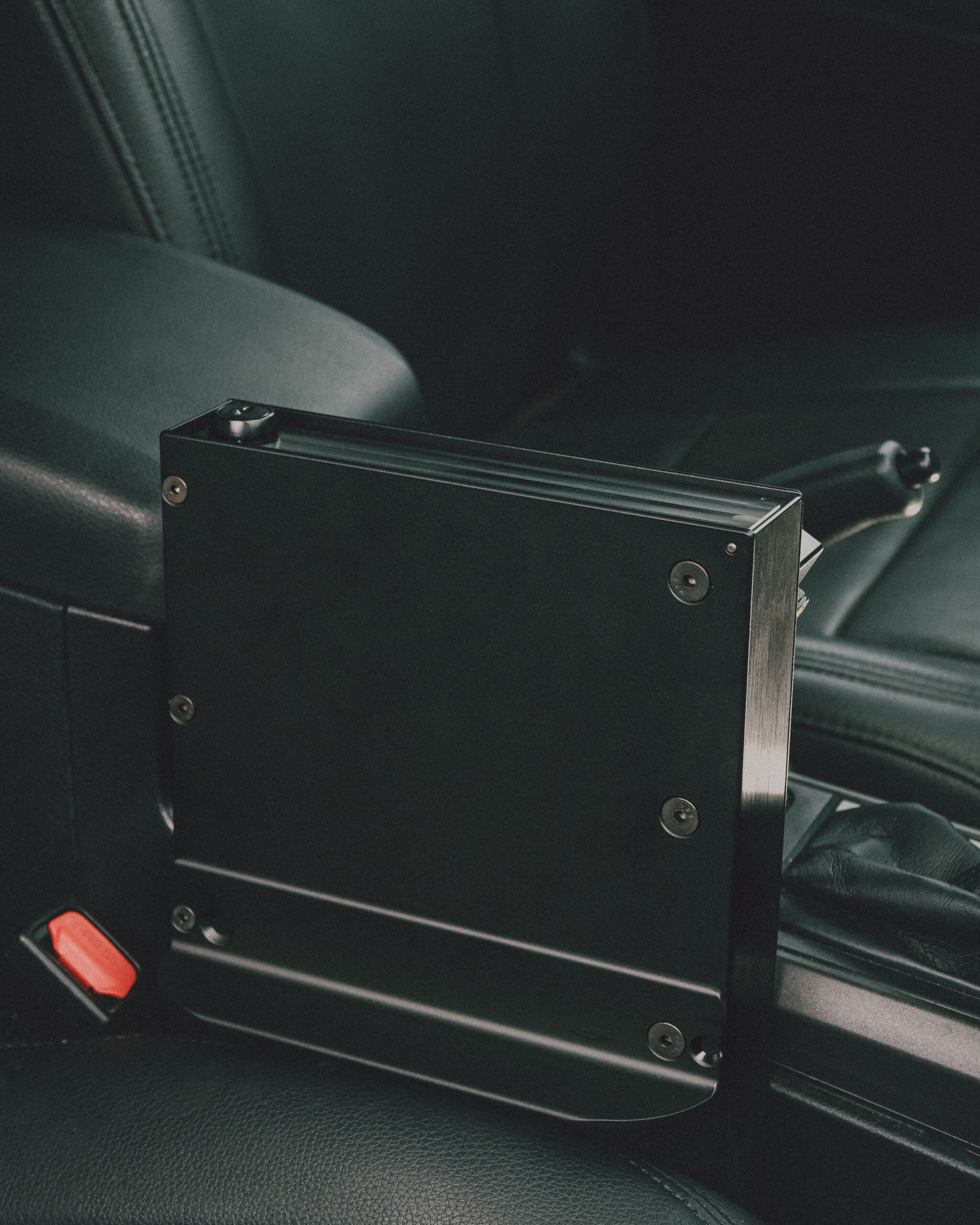
Vehicle gun storage plays a major role in both safety and legal protection. Kwick Strike designs a rapid access vehicle gun storage system for responsible firearm owners. When properly mounted, the Kwick Strike helps you reduce theft risk and maintain faster access compared to other vehicle gun safes, in states where you are allowed to have full access to your gun. When your firearm needs to comply with FOPA, the Kwick Strike can be locked and stored in the trunk, separate from your ammunition and out of reach.
You can learn more about our storage systems on the Kwick Strike product page. If you have product questions, contact our support team through our Contact page.
Traveling with a concealed firearm requires planning, research, and discipline. You cannot assume laws are the same everywhere. Reciprocity agreements change and location restrictions vary. Federal protections are limited when it comes to travel. By understanding the Firearm Owners’ Protection Act guidelines, reviewing reciprocity agreements, and following duty to inform laws, you lower your risk of legal trouble.
Kwick Strike supports responsible gun owners who take safety seriously. When you combine legal knowledge with secure vehicle storage, you protect your rights, your family, and your community. Safe travel begins with preparation.